Alexandia: A Handwritten Font That Balances Elegance and Practicality
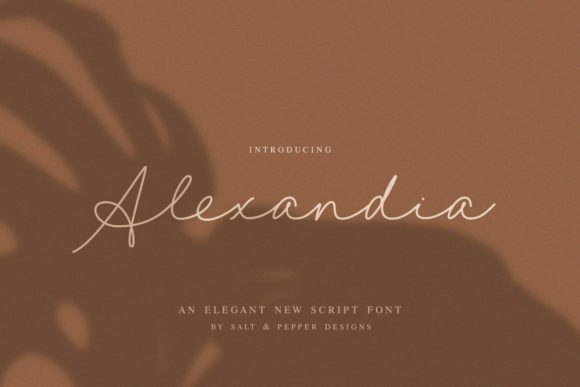
Alexandia is a handwritten font that stands out for its graceful design and balanced proportions. It offers a smooth touch without being overly delicate or too bold, making it suitable for a wide range of creative projects. Designed with both aesthetics and functionality in mind, Alexandia has become a popular choice among designers looking for a versatile typeface that adds personality to their work.
What Makes Alexandia Unique?
Alexandia's appeal lies in its natural flow and carefully crafted strokes. Unlike some handwritten fonts that can appear inconsistent or too casual, Alexandia maintains a sense of order while still retaining the warmth of a hand-drawn style. Its letters are neither too thin nor too thick, which ensures readability across different sizes and media. This balance makes it an excellent option for both digital and print applications.
The font’s design incorporates subtle variations in weight and spacing, giving it a dynamic feel that mimics the natural rhythm of handwriting. These nuances help to create a more engaging visual experience, especially in designs where a personal touch is desired.
Comparing Alexandia to Other Handwritten Fonts
When evaluating handwritten fonts, several factors come into play, including legibility, versatility, and overall aesthetic appeal. While many similar fonts focus on a highly stylized look, Alexandia strikes a middle ground that allows it to be used in a broader range of contexts.
Fonts like Brush Script or Bell MT are known for their expressive, cursive styles, but they can sometimes be difficult to read at smaller sizes. In contrast, Alexandia maintains clarity even when scaled down, making it ideal for body text in brochures, websites, or branding materials.
Another consideration is the level of customization available. Some handwritten fonts offer limited options for adjusting weight or spacing, whereas Alexandia provides a consistent yet adaptable appearance that works well in both formal and informal settings.
Strengths of Alexandia
- Readability: Alexandia is designed with legibility in mind, ensuring that it remains easy to read across various platforms and devices.
- Versatility: The font's balanced design allows it to be used in a variety of applications, from logos to social media posts.
- Consistency: Unlike some handwritten fonts that may appear uneven, Alexandia offers a uniform look that enhances professionalism.
- Warmth and Personality: The font’s soft curves and flowing lines give it a friendly and approachable feel, which can be beneficial for branding efforts targeting younger or more creative audiences.
Potential Limitations
While Alexandia excels in many areas, it may not be the best choice for every project. For instance, if a design requires a very dramatic or artistic flair, a more stylized font might be more appropriate. Additionally, because it is a handwritten font, it may not be as suitable for long-form text in documents where a more structured typeface would be preferred.
Designers should also consider the context in which the font will be used. In situations where high contrast or a modern minimalist look is required, Alexandia may not align with the intended aesthetic.
Best-Fit Situations for Alexandia
Alexandia is particularly well-suited for projects that benefit from a personal or organic feel. This includes:
- Branding Materials: From business cards to packaging, Alexandia can add a unique touch that reflects a brand’s personality.
- Social Media Content: The font’s warm and inviting style makes it a great fit for captions, headers, or promotional graphics.
- Invitations and Greeting Cards: The handwritten nature of Alexandia lends itself well to invitations, thank-you notes, and other personal communications.
- Web Design: When used appropriately, Alexandia can enhance the visual appeal of websites, especially in areas like headlines or call-to-action buttons.
In each of these scenarios, Alexandia offers a distinctive look that can help differentiate a brand or project from others in the same space.
Considerations When Choosing a Font
Selecting the right font involves more than just choosing one that looks appealing. Several factors should be taken into account, including the target audience, the purpose of the content, and the platform on which the font will be used.
For example, a font that works well for a website may not be as effective in a printed brochure due to differences in resolution and scaling. Similarly, a font that is highly readable in a small size may lose its charm when used for larger headings.
It’s also important to consider how the font interacts with other elements in the design. A font like Alexandia, with its soft curves and gentle flow, may complement a minimalist layout better than a more ornate or complex design.
Real-World Examples of Alexandia in Use
To better understand how Alexandia can be applied in practice, consider the following examples:
Example 1: A boutique clothing store uses Alexandia for its website headers and social media posts. The font adds a sense of elegance and approachability, helping to attract customers who appreciate a more personal shopping experience.
Example 2: A wedding planner incorporates Alexandia into the design of event invitations. The font’s handwritten quality gives the invitations a warm and heartfelt feel, which resonates with guests and sets the tone for the celebration.
Example 3: A lifestyle blog uses Alexandia for its article titles and section headers. The font’s readability and aesthetic appeal make it an ideal choice for content that aims to engage readers in a friendly and conversational manner.
Final Thoughts on Alexandia
Alexandia is a thoughtful addition to any designer’s toolkit. Its ability to blend elegance with practicality makes it a versatile choice for a wide range of applications. Whether you're working on branding materials, web design, or personal communications, Alexandia offers a unique way to express creativity while maintaining clarity and professionalism.
As with any design element, the success of using Alexandia depends on how well it aligns with the overall vision of the project. By considering the strengths, limitations, and best-fit scenarios outlined here, designers can make informed decisions about whether Alexandia is the right choice for their needs.