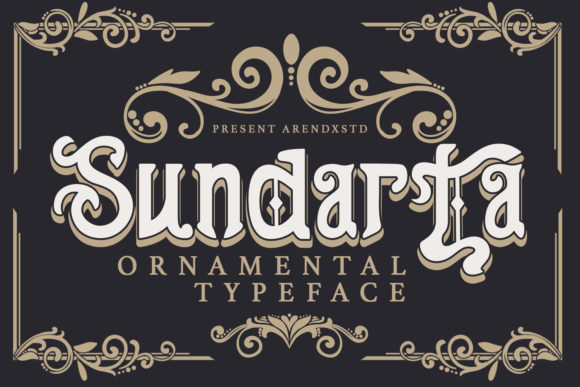
Sundarta: A Playful Nostalgic Tool for Vintage-Inspired Design and Workflow
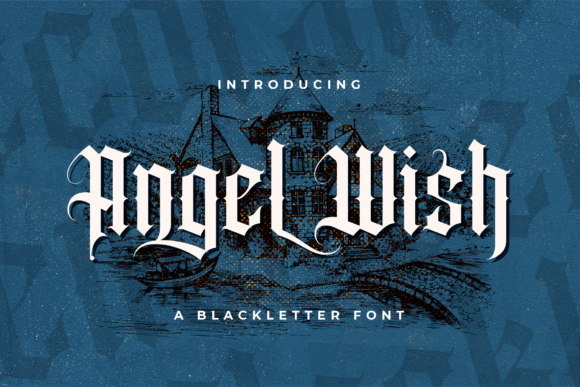
Sundarta is more than just a font—it’s a design philosophy that brings a sense of playful nostalgia and vintage charm to any creative project. Its blackletter style evokes the elegance of historical typography, making it an ideal choice for those who want to infuse their work with a retro aesthetic. Whether you're designing branding materials, crafting content, or enhancing digital interfaces, Sundarta offers a unique way to stand out while maintaining a connection to the past.
Understanding Sundarta and Its Role in Creative Workflows
Sundarta fits seamlessly into various stages of a creative process. It can be used during the ideation phase to inspire a vintage-themed concept, applied during the design phase to bring visual consistency, or even incorporated after finalizing a project to add a nostalgic touch to existing assets. Its versatility makes it a valuable tool for designers, marketers, and anyone looking to evoke a bygone era through typography.
The font's intricate details and ornate letterforms make it especially suitable for projects that require a handcrafted feel. From logos and invitations to social media posts and editorial designs, Sundarta adds a layer of sophistication that modern sans-serif fonts often lack.
When to Use Sundarta in Your Workflow
- During Ideation: Use Sundarta to sketch out ideas that align with a vintage theme. The font's character can help set the tone for your project before diving into execution.
- During Design: Apply Sundarta as the primary or secondary font in your design. Pair it with simpler typefaces to create contrast and balance.
- After Finalization: Add Sundarta to headlines, captions, or decorative elements post-production to enhance the visual narrative of your work.
Integrating Sundarta Into Your Projects
One of the strengths of Sundarta is its compatibility with a wide range of tools and platforms. It works well with graphic design software like Adobe Illustrator and Photoshop, web development frameworks such as CSS and HTML, and content management systems including WordPress and Squarespace. This adaptability ensures that you can use it across different mediums without compromising quality or usability.
If you're working on a print project, ensure that the font is embedded correctly to maintain clarity and legibility. For digital use, consider optimizing file sizes and ensuring proper rendering across devices and browsers.
Sundarta also pairs beautifully with other vintage-inspired design elements such as sepia filters, distressed textures, and retro color palettes. Combining these elements can create a cohesive aesthetic that resonates with audiences seeking authenticity and nostalgia.
Practical Implementation Tips
- Test Readability: While Sundarta is visually striking, it may not be the best choice for long blocks of text. Use it sparingly for headings, titles, and short phrases to maintain readability.
- Balance with Simpler Fonts: Pair Sundarta with clean, modern fonts to avoid overwhelming the viewer. This contrast helps highlight the vintage element without detracting from the overall message.
- Consider Accessibility: Ensure that the font size and spacing are appropriate for all users, including those with visual impairments. Avoid using it in contexts where accessibility could be compromised.
Workflow Examples and Use Cases
Sundarta can be integrated into various workflows depending on the nature of your project. Here are a few examples:
Branding and Logo Design: Incorporate Sundarta into your logo to give it a timeless feel. Use it for taglines or secondary text to complement a more modern primary font.
Marketing Materials: Use Sundarta in promotional materials such as flyers, posters, and banners to evoke a sense of nostalgia and charm. It works particularly well for vintage-themed campaigns or products.
Content Creation: Writers and bloggers can use Sundarta for headlines or featured images to add a unique visual flair. It can help differentiate your content from others in a crowded space.
Web Design: Apply Sundarta to website headers, buttons, or call-to-action sections. However, be mindful of how it interacts with the rest of the site's design to ensure a seamless user experience.
Long-Term Use and Consistency
While Sundarta is a powerful tool, its effectiveness depends on how consistently it's used. Establishing clear guidelines for when and how to apply the font can help maintain brand identity and visual coherence across multiple projects.
Consider creating a style guide that outlines the appropriate use cases for Sundarta. This guide can serve as a reference for designers, developers, and content creators to ensure that the font is used effectively and appropriately.
Additionally, keep an eye on trends and evolving design preferences. While Sundarta has a strong nostalgic appeal, staying attuned to contemporary aesthetics can help you maintain relevance and avoid overusing a particular style.
Conclusion
Sundarta is a versatile and expressive font that adds a touch of vintage charm to any design. Whether you're working on a branding project, a marketing campaign, or a personal creative endeavor, it can help elevate your work with a sense of history and artistry.
By integrating Sundarta thoughtfully into your workflow, you can create visually compelling designs that resonate with audiences while maintaining a unique and authentic aesthetic. As with any design element, the key is to use it purposefully and in harmony with the broader vision of your project.