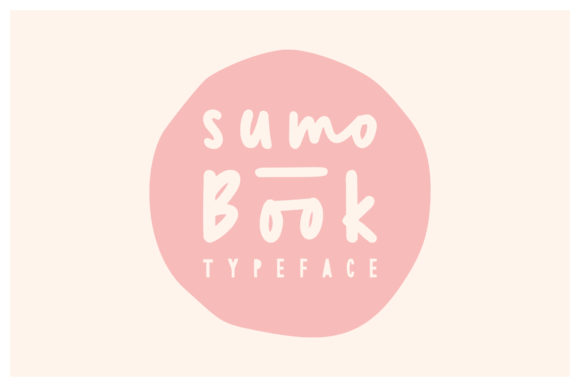
Sumo Book: A Quirky Handwritten Font for Creative and Educational Projects
Sumo Book is a charming, handwritten font that brings warmth and personality to any design. Its cute, quirky, and sweet aesthetic makes it especially well-suited for children-themed projects, but its versatility extends far beyond that. Whether you're an educator, marketer, or creative professional, Sumo Book can be a valuable addition to your workflow when used thoughtfully.
Understanding the Role of Sumo Book in Design Workflows
Fonts play a critical role in visual communication, influencing readability, tone, and overall appeal. Sumo Book stands out due to its hand-drawn style, which evokes a sense of informality and approachability. This makes it ideal for content that aims to engage younger audiences, such as educational materials, storybooks, or promotional content for children's products.
However, Sumo Book isn't limited to children's themes alone. Its soft curves and friendly appearance can also enhance branding efforts for businesses that want to convey a warm, welcoming vibe. When paired with bright colors, this font becomes even more expressive, allowing designers to create visually engaging content that captures attention without overwhelming the viewer.
Using Sumo Book Before a Project
Before starting a new project, selecting the right font can set the tone for the entire design. Sumo Book is particularly useful in brainstorming sessions where the goal is to generate ideas that feel playful and imaginative. For instance, educators might use it in early planning stages to sketch out lesson plans or activity sheets that are visually appealing to students.
Marketers and content creators can benefit from using Sumo Book during the ideation phase when developing campaigns aimed at families or young audiences. It helps establish a visual identity that aligns with the intended message and audience expectations.
Incorporating Sumo Book During a Project
During the execution of a project, Sumo Book can be integrated into various elements to maintain consistency and enhance visual appeal. For example, in a children’s book design, Sumo Book could be used for chapter titles, dialogue text, or captions. Its legibility ensures that the content remains easy to read while adding a personal touch.
When designing marketing materials for family-oriented brands, Sumo Book can be used in headlines or call-to-action sections to create a friendly and inviting atmosphere. Pairing it with bold colors and simple layouts helps draw attention to key messages without sacrificing clarity.
Designers should also consider compatibility when using Sumo Book. While it works well with many design tools like Adobe Illustrator, Canva, or Figma, it may not be suitable for all types of text. For instance, long paragraphs in Sumo Book might appear cluttered, so it's best reserved for short bursts of text or headings.
Leveraging Sumo Book After a Project
After completing a project, Sumo Book can still play a role in refining the final output. It can be used for post-production elements such as social media posts, thank-you notes, or feedback forms. These small touches can reinforce brand identity and leave a lasting impression on the audience.
For educators, using Sumo Book in final assessments or certificates adds a personal and encouraging element to student recognition. Similarly, marketers can use it in follow-up emails or loyalty program communications to maintain engagement with their audience.
Practical Tips for Integrating Sumo Book into Your Workflow
Integrating Sumo Book into your design workflow requires careful consideration of its characteristics and how they align with your goals. Here are some practical tips to help you make the most of this font:
- Use it sparingly: While Sumo Book is visually appealing, overusing it can lead to a cluttered design. Reserve it for headings, logos, or short phrases rather than large blocks of text.
- Pair with complementary fonts: To maintain readability and balance, pair Sumo Book with a clean sans-serif font for body text. This contrast helps guide the reader's eye and enhances the overall design.
- Test across devices: Ensure that Sumo Book displays correctly on different screens and platforms. Some handwritten fonts may not render consistently on all devices, so always test your designs before finalizing them.
- Consider color contrasts: Since Sumo Book has a soft and friendly look, pairing it with high-contrast colors can help ensure that the text remains readable and visually striking.
Workflow Examples with Sumo Book
Here are a few examples of how Sumo Book can be incorporated into real-world workflows:
- Educational Materials: Use Sumo Book for titles and captions in workbooks or flashcards designed for young learners. Its playful style can make learning more engaging and enjoyable.
- Marketing Campaigns: Incorporate Sumo Book into promotional materials for family-friendly products or events. It helps create a warm and approachable brand image that resonates with parents and children alike.
- Personal Branding: If you're an educator or content creator targeting a younger audience, Sumo Book can be used in your blog headers, social media posts, or website navigation to establish a consistent and friendly visual identity.
Long-Term Use and Quality Control
When considering long-term use of Sumo Book, it's important to evaluate its performance across different platforms and file formats. While it's excellent for digital use, it may require conversion or optimization for print materials. Always check the font's licensing agreement to ensure that it's appropriate for your intended use.
Consistency is key when working with any font, including Sumo Book. Establishing clear guidelines for when and how to use it will help maintain a cohesive visual language across all your projects. This is especially important if multiple people are involved in the design process.
Regularly reviewing and updating your font library can also help ensure that you're using the most up-to-date and compatible versions of Sumo Book. Keeping track of updates and changes can prevent issues related to rendering or formatting.
Final Thoughts on Using Sumo Book
Sumo Book is more than just a cute and quirky font—it's a versatile tool that can enhance a wide range of creative and professional workflows. Whether you're designing educational materials, marketing campaigns, or personal branding assets, this font offers a unique way to add personality and charm to your work.
By integrating Sumo Book thoughtfully into your design process, you can create content that feels more engaging, approachable, and visually appealing. As with any design element, the key is to use it intentionally and in alignment with your overall goals and audience needs.