Smart Brush: A Strategic Tool for Eye-Catching Branding and Creative Expression
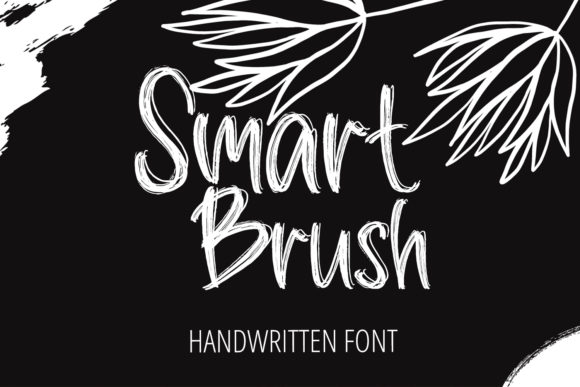
Smart Brush is a neat and casual handwritten font that brings a human touch to digital design. It's not just another typeface—it's a strategic asset for creators, marketers, and professionals who want to stand out in a crowded visual landscape. With its unique letterforms and natural flow, Smart Brush can elevate logos, branding materials, and quotes by adding personality and authenticity. When used thoughtfully, it supports clear communication, brand positioning, and creative expression without sacrificing professionalism.
Why Smart Brush Is a Strategic Choice for Design
Choosing the right font isn't just about aesthetics—it's about strategy. Smart Brush offers a balance between approachability and sophistication, making it ideal for brands that want to feel personal yet trustworthy. Its casual style evokes a sense of ease and familiarity, which can be especially effective for businesses targeting younger audiences or those focused on lifestyle, education, or creative industries.
For entrepreneurs and small business owners, Smart Brush can help differentiate their brand from competitors. In an era where visual identity plays a critical role in customer perception, using a font like Smart Brush can create a memorable first impression. It’s also useful for content creators who want to add a personal flair to blog posts, social media captions, or promotional materials.
How to Use Smart Brush Effectively in Branding and Communication
Smart Brush is most powerful when aligned with specific goals. For example, if your brand aims to appear friendly and approachable, using Smart Brush in your logo or website headers can reinforce that message. However, it's important to consider context and audience before applying it broadly.
- Logos: Use Smart Brush sparingly in logos to maintain clarity and legibility. It works best in smaller sizes or as part of a larger design element.
- Quotes and Taglines: The font's expressive quality makes it perfect for displaying inspirational quotes, taglines, or mission statements.
- Social Media: Incorporate Smart Brush into captions or headlines to add a personal touch that resonates with followers.
- Print Materials: Business cards, brochures, and packaging benefit from Smart Brush’s clean, readable lines while still feeling handcrafted.
Before relying on Smart Brush for key messaging, ensure it aligns with your brand voice and doesn’t compromise readability. Avoid overusing it in dense text blocks, as this can lead to visual clutter and reduce comprehension.
Strategic Planning for Using Smart Brush in Your Projects
Integrating Smart Brush into your design workflow requires thoughtful planning. Consider the following steps to use it effectively:
- Define Your Goals: What do you want to achieve with your design? Is it to build brand recognition, convey a message, or improve engagement?
- Understand Your Audience: Who are you designing for? Will Smart Brush resonate with them, or does it risk appearing unprofessional?
- Test the Font: Experiment with Smart Brush in different contexts and sizes. How does it look on mobile screens versus desktops? Does it work well in dark mode or light backgrounds?
- Balance with Other Fonts: Pair Smart Brush with more structured fonts for body text to maintain hierarchy and readability.
- Review for Consistency: Ensure Smart Brush is used consistently across all platforms and materials to reinforce brand identity.
These steps help avoid common pitfalls, such as using a font that feels mismatched or overly stylized for the intended purpose. By aligning Smart Brush with your overall design strategy, you increase the chances of achieving meaningful results.
When to Avoid Using Smart Brush
While Smart Brush has many strengths, it’s not suitable for every situation. Avoid using it in the following scenarios:
- Long Blocks of Text: Its casual style may make dense paragraphs harder to read, especially for users with visual impairments.
- Formal Documents: Legal contracts, financial reports, or academic papers typically require a more traditional, professional font.
- High-Contrast Backgrounds: If the background is too busy or dark, Smart Brush might lose its legibility and impact.
- Small Screens: On mobile devices, certain characters in Smart Brush could become less distinct at smaller sizes.
Recognizing these limitations ensures you use Smart Brush intentionally rather than randomly. It’s about knowing when to apply it and when to choose a different solution that better meets your needs.
Smart Brush and Long-Term Branding Success
A strong brand is built on consistency, clarity, and emotional connection. Smart Brush can support these elements by reinforcing a brand’s personality through visual language. Over time, consistent use of Smart Brush in logos, marketing materials, and online content helps build recognition and trust with your audience.
For educators and content creators, Smart Brush adds a warm, human touch to presentations, e-books, or educational materials. It makes complex ideas feel more accessible and engaging. Similarly, freelancers and bloggers can use it to create visually appealing websites or newsletters that reflect their unique style and expertise.
However, success depends on how well Smart Brush integrates with other aspects of your brand. It should never be used in isolation but as part of a cohesive visual strategy that includes color, imagery, and tone of voice.
Practical Tips for Maximizing Smart Brush’s Potential
To get the most out of Smart Brush, follow these practical tips:
- Use It for Headlines: Apply Smart Brush to headlines, titles, or call-to-action buttons to draw attention and guide the reader’s eye.
- Limit Its Use: Reserve Smart Brush for key visual elements rather than applying it throughout the entire design.
- Pair with Complementary Fonts: Combine Smart Brush with sans-serif or serif fonts for body text to maintain readability and structure.
- Stay Within Brand Guidelines: If your brand has established typography rules, ensure Smart Brush fits within those parameters.
- Get Feedback: Test your designs with real users or colleagues to see how Smart Brush performs in different contexts.
These strategies help you leverage Smart Brush strategically while avoiding potential missteps. The goal is to enhance your design, not overwhelm it with unnecessary stylistic choices.
Conclusion: Using Smart Brush with Purpose
Smart Brush is more than just a font—it’s a tool that, when used with intention, can strengthen your brand, improve communication, and inspire creativity. Whether you're designing a logo, creating marketing materials, or developing content, the thoughtful application of Smart Brush can help you achieve better results and connect more deeply with your audience.
By understanding its strengths, limitations, and appropriate use cases, you position yourself to make informed decisions that align with your long-term goals. In a world where visual identity matters more than ever, Smart Brush offers a unique opportunity to stand out—without sacrificing clarity or professionalism.