New York Signature: A Luxurious Handwritten Font for Designers
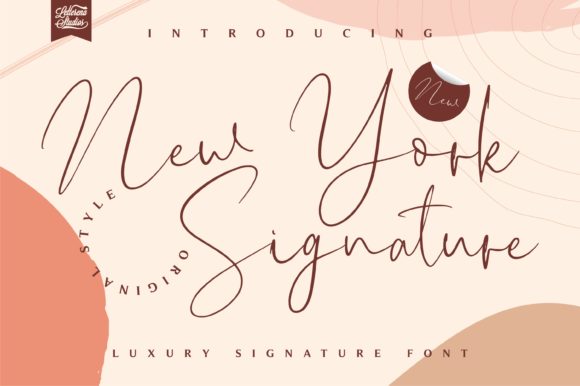
New York Signature is a romantic and luxurious handwritten font that captures the essence of elegance and personal expression. Designed with a focus on versatility, it offers a unique blend of sophistication and charm, making it an appealing choice for various design applications. Whether you're creating wedding invitations, branding materials, or editorial content, New York Signature can add a touch of individuality to your work.
Understanding New York Signature
New York Signature is a typeface that mimics the natural flow of handwriting, giving it a warm and approachable feel. Its design elements include soft curves, varying stroke widths, and subtle imperfections that mirror the human hand. This font is ideal for projects that require a personal or artistic touch, as it conveys authenticity and emotional depth.
The font's structure allows for both readability and visual appeal, making it suitable for both short and long-form text. It features a range of characters, including uppercase and lowercase letters, numbers, and symbols, ensuring it can be used in a variety of contexts without limitations.
Reasons to Consider New York Signature
If you're looking for a font that stands out while maintaining a sense of luxury, New York Signature could be the right choice. Here are several reasons why designers might find this font appealing:
- Versatility: New York Signature can be used across multiple platforms and media types, from print to digital.
- Emotional Impact: The handwritten nature of the font evokes a sense of intimacy and connection, which can enhance the overall message of a design.
- Unique Aesthetic: With its elegant curves and refined details, the font adds a distinctive visual element to any project.
- Professional Quality: Despite its handwritten appearance, the font maintains a level of professionalism that is suitable for high-end branding and marketing materials.
Benefits and Tradeoffs
One of the main benefits of using New York Signature is its ability to create a memorable visual identity. It can help differentiate a brand from competitors by adding a unique and personal touch. Additionally, the font's readability ensures that it remains legible even in smaller sizes, which is essential for effective communication.
However, there are also tradeoffs to consider. Because it is a handwritten font, it may not be as suitable for large blocks of text where clarity is paramount. In such cases, pairing it with a more structured sans-serif font can help maintain readability while still incorporating the charm of New York Signature.
Another consideration is the learning curve associated with using a handwritten font. Designers may need to adjust their layout and spacing techniques to ensure that the font looks balanced and professional in different contexts.
Situations Where New York Signature Fits Well
New York Signature is particularly well-suited for specific design scenarios where a personal and luxurious feel is desired. These include:
- Wedding Invitations and Cards: The romantic and elegant style of New York Signature makes it an excellent choice for creating heartfelt and visually appealing wedding materials.
- Branding and Logos: For businesses aiming to convey a sense of sophistication and exclusivity, this font can serve as a powerful visual representation of their brand identity.
- Editorial and Publishing: When designing magazines, books, or other printed materials, New York Signature can add a creative flair that enhances the reader's experience.
- Marketing Materials: From brochures to social media posts, the font can help create a cohesive and stylish visual presence that resonates with audiences.
When Alternatives May Be More Appropriate
While New York Signature is a compelling option, there are situations where alternative fonts may be more appropriate. For instance, if the primary goal is to maximize readability and minimize cognitive load, a clean and modern sans-serif font may be a better fit. Similarly, for technical documents or data-driven presentations, a more formal and structured font would likely be preferable.
Designers should also consider the target audience when selecting a font. If the audience prefers minimalism or has accessibility concerns, a simpler font may be more effective. In these cases, using New York Signature as an accent rather than a primary font can help balance aesthetics with functionality.
Practical Insights for Decision-Making
When evaluating whether New York Signature aligns with your design goals, consider the following practical insights:
- Define the Purpose: Determine the primary function of your design. Is it to inform, persuade, or entertain? This will influence the suitability of the font.
- Assess the Audience: Understand who will be viewing your design. Consider their preferences, cultural background, and accessibility needs.
- Evaluate Readability: Test how well the font performs in different sizes and formats. Ensure that it remains legible across all intended uses.
- Balance Aesthetics and Functionality: While New York Signature offers a beautiful aesthetic, it's important to maintain a balance between visual appeal and practicality.
- Experiment with Pairings: Try combining New York Signature with other fonts to see how they complement each other and enhance the overall design.
By carefully considering these factors, designers can make informed decisions about whether New York Signature is the right choice for their projects. Ultimately, the font's success depends on how well it aligns with the specific needs and objectives of the design.