Jingle Bells: A Sweet Lettered Handwritten Font for Creative and Professional Workflows
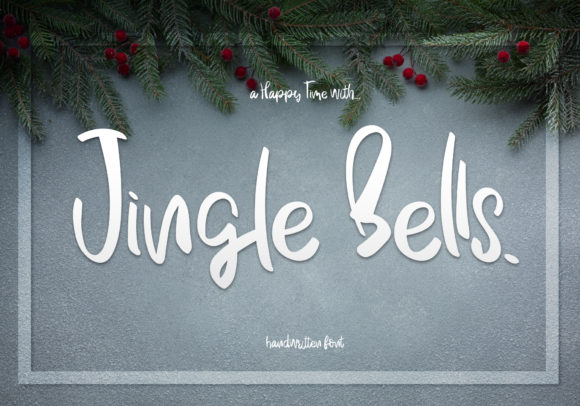
Jingle Bells is a sweet lettered handwritten font that brings a natural, unique style to any design project. Its charm lies in the organic feel of each stroke, making it an ideal choice for those looking to add a personal touch to their work. This font is PUA encoded, which means users can easily access all glyphs and swashes, allowing for greater flexibility and customization.
Understanding Jingle Bells and Its Role in Design Projects
Before diving into how to use Jingle Bells, it’s important to understand what makes this font stand out. Unlike many digital fonts that feel rigid and uniform, Jingle Bells mimics the imperfections of real handwriting, giving it a warm and approachable appearance. This makes it particularly well-suited for projects that require a friendly or nostalgic tone.
In a broader design process, Jingle Bells can be used at various stages. It can serve as the primary font for headlines, labels, or call-to-action buttons in web and print designs. It also works well as an accent font to add visual interest without overwhelming the overall layout.
When to Use Jingle Bells in Your Workflow
Jingle Bells can be integrated into your workflow at different points depending on the project's needs. Here are a few scenarios where it might be particularly useful:
- Pre-Design Phase: When brainstorming concepts, Jingle Bells can be used to sketch out ideas or create mood boards that reflect the desired tone.
- During Design: As you develop the actual design, Jingle Bells can be used for text elements that need a more personal or handcrafted look.
- Post-Design Review: After the design is complete, using Jingle Bells in final presentations or client proposals can help convey a sense of care and attention to detail.
Integrating Jingle Bells with Other Tools and Resources
Jingle Bells is compatible with most design software, including Adobe Photoshop, Illustrator, and InDesign. Its PUA encoding ensures that all special characters and swashes are accessible through the font menu, making it easy to incorporate into your workflow without needing additional plugins or tools.
When working with other assets such as images, icons, or illustrations, Jingle Bells can enhance the overall aesthetic by providing a cohesive and unified look. For example, pairing it with minimalist graphics or vintage-style imagery can create a harmonious visual experience.
Practical Tips for Using Jingle Bells Effectively
To get the most out of Jingle Bells, consider the following tips:
- Use It Sparingly: While the font adds character, overusing it can make your design appear cluttered. Reserve it for key text elements like headings or calls to action.
- Experiment with Swashes: Take advantage of the swash characters to add flair to your text without compromising readability.
- Pair with Complementary Fonts: Combine Jingle Bells with a clean sans-serif font for body text to maintain legibility while still adding a personal touch.
- Test Across Devices: Ensure that the font renders well on both desktop and mobile screens, especially if the design will be viewed online.
Workflow Examples and Real-World Applications
Jingle Bells is not limited to graphic design; it can be applied across various industries and workflows. Here are some practical examples of how it can be used in different contexts:
Marketing and Advertising: Use Jingle Bells in promotional materials, social media posts, or email campaigns to create a friendly and engaging brand voice. It works especially well for seasonal campaigns, such as holiday promotions.
Education and Learning: Educators can use Jingle Bells in lesson plans, worksheets, or study guides to make content more visually appealing and approachable for students.
Personal Branding: Freelancers and entrepreneurs can incorporate Jingle Bells into their website headers, logos, or business cards to establish a distinctive and memorable brand identity.
Content Creation: Bloggers and content creators can use Jingle Bells in titles, captions, or infographics to add a personal and creative flair to their content.
Ensuring Consistency and Quality in Long-Term Use
When using Jingle Bells across multiple projects or platforms, maintaining consistency is crucial. Consider creating a style guide that outlines how and when to use the font, along with guidelines for pairing it with other design elements.
Additionally, ensure that all team members who may be working on the same project are aware of the font's characteristics and limitations. This helps prevent inconsistencies and maintains a high standard of quality throughout the entire workflow.
For long-term use, store all design files in a centralized location, and keep track of any variations or customizations made to the font. This makes it easier to reuse the font in future projects while ensuring that the original integrity of the design is preserved.
Conclusion
Jingle Bells is more than just a font—it's a versatile tool that can enhance the visual appeal of any design project. Whether you're a professional designer, marketer, educator, or content creator, integrating Jingle Bells into your workflow can help you achieve a more personal and engaging outcome.
By understanding its strengths and limitations, and by applying it thoughtfully, you can unlock new creative possibilities and elevate your work to the next level. With its natural and unique style, Jingle Bells is a font that truly has no limits—except your imagination.