Aicho: A Beautiful and Bold Serif Font for Creative Projects
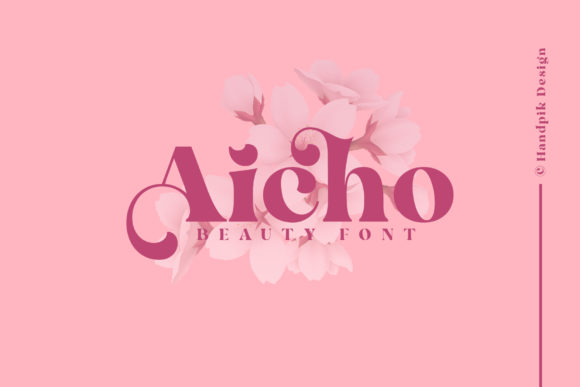
Aicho is a distinctive serif font that stands out with its elegant curves and strong, confident strokes. Designed to balance beauty with boldness, it offers a unique aesthetic that appeals to a wide range of creative applications. Whether you're designing invitation cards, creating clothing graphics, or embellishing greeting cards, Aicho brings a refined yet powerful presence to your work. Its versatility makes it a compelling choice for designers and creators looking for a font that can adapt to various contexts while maintaining a cohesive visual identity.
What Makes Aicho Unique?
The defining feature of Aicho is its combination of serifs—those small lines at the ends of characters—that give it a classic, timeless feel. Unlike more modern sans-serif fonts, Aicho's design incorporates subtle flourishes that add character without overwhelming the text. This balance between traditional typography and contemporary appeal is what sets Aicho apart from other serif fonts.
Another notable aspect of Aicho is its bold weight. While many serif fonts lean toward a more delicate or formal appearance, Aicho embraces strength and presence. This makes it ideal for headlines, logos, and any design element where impact is key. However, this boldness also means it may not be the best fit for long passages of body text, where readability is a priority.
Comparing Aicho with Similar Fonts
When considering Aicho, it’s helpful to compare it with other serif fonts that serve similar purposes. Fonts like Georgia, Times New Roman, and Garamond are often used in print and digital media for their readability and traditional appeal. However, each has its own distinct characteristics that make them better suited for certain tasks than others.
For example, Georgia is known for its excellent legibility on screens, making it a popular choice for web content. In contrast, Aicho's bolder style might not be as effective in long-form text but could be more eye-catching in headlines or titles. Similarly, Garamond offers a more ornate and decorative look, which may be too elaborate for some projects compared to the clean yet strong presence of Aicho.
If you're looking for a serif font that blends elegance with confidence, Aicho is a solid alternative to these well-known options. It provides a fresh take on serif typography without sacrificing the readability that users expect from such fonts.
When Aicho Is the Right Choice
Aicho shines in situations where a designer wants to convey both sophistication and strength. It is particularly well-suited for:
- Invitation Cards: The bold and beautiful nature of Aicho makes it perfect for wedding invitations, event announcements, and other formal cards that require a touch of elegance.
- Clothing Products: From t-shirts to hoodies, Aicho can be used to create striking graphic designs that stand out and capture attention.
- Greeting Cards: Whether for birthdays, holidays, or personal messages, Aicho adds a stylish flair that elevates the overall design.
- Decorations: Aicho can be used in signage, wall art, and other decorative elements where a strong visual statement is desired.
These use cases highlight how Aicho can be tailored to different needs while maintaining a consistent and appealing aesthetic.
Tradeoffs and Limitations
While Aicho offers many advantages, it's important to consider when it may not be the best option. As mentioned earlier, its bold weight can make it less suitable for extended reading. For projects that involve large blocks of text, such as articles, reports, or books, a more readable serif font like Georgia or Times New Roman might be a better choice.
Additionally, Aicho's stylized design may not be appropriate for all professional contexts. In highly formal or academic settings, a more traditional serif font could be preferred for its perceived reliability and neutrality. Designers should also be mindful of how Aicho interacts with other design elements, such as colors, spacing, and layout, to ensure it complements rather than overwhelms the overall composition.
Practical Applications and Examples
To illustrate how Aicho can be used effectively, let's consider a few practical examples:
Example 1: Wedding Invitation
A designer creates a wedding invitation using Aicho for the main text. The bold yet elegant font gives the invitation a sophisticated feel, making it ideal for a formal event. Accents of gold or deep red enhance the visual impact, while the font ensures the message remains clear and easy to read.
Example 2: Clothing Graphic
A clothing brand uses Aicho to create a t-shirt design featuring a motivational quote. The bold lettering draws attention, while the serif details add a touch of class. This combination works well for a product that aims to stand out in a competitive market.
Example 3: Event Signage
For a corporate event, Aicho is used on banners and signage. Its strong presence helps the information stand out, while the font's refined look aligns with the event's professional theme.
These examples demonstrate how Aicho can be adapted to different mediums and purposes, always maintaining its core qualities of beauty and boldness.
Choosing Between Aicho and Other Options
Selecting the right font involves considering several factors, including the project's purpose, audience, and medium. Aicho is an excellent choice when you want to emphasize style and strength, but it's important to weigh these benefits against potential limitations.
If your project requires a font that is primarily functional and readable, Aicho may not be the best fit. On the other hand, if you're aiming for a design that makes a strong visual impression, Aicho can help achieve that goal. By evaluating the specific needs of your project, you can determine whether Aicho will enhance your design or if another font would be more appropriate.
In conclusion, Aicho is a versatile and visually striking serif font that offers a unique blend of beauty and boldness. Its suitability for a wide range of creative applications makes it a valuable addition to any designer's toolkit. However, understanding its strengths and limitations will help ensure it is used effectively in the right contexts.